BOARD SLITTING / CUTTING
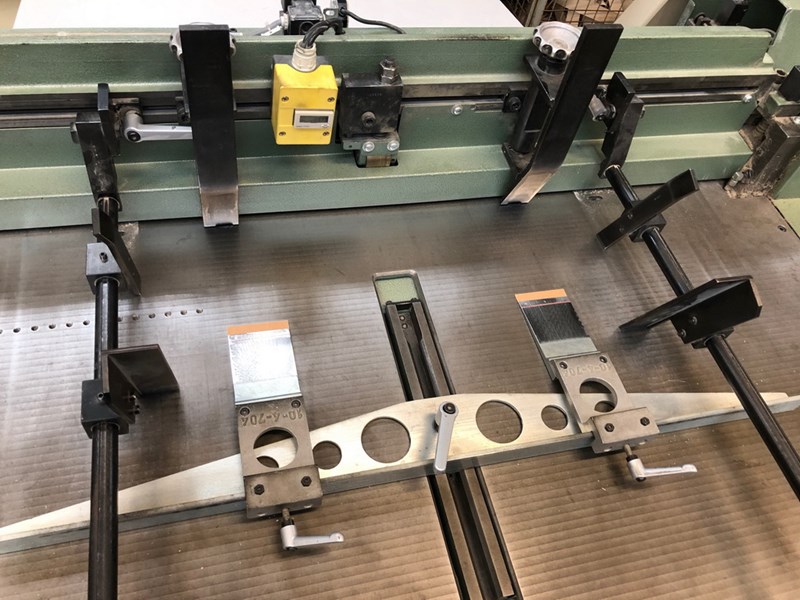
Kolbus offers advanced board slitting and cutting solutions tailored for the production of high-quality packaging, book covers, game boards, and other rigid board applications. Their flagship system, the Rotary Board Cutter PK 170, is engineered for precision and efficiency, delivering clean, accurate cuts from cardboard sheets or similar materials.
This machine operates in two stages, achieving a linear cutting speed of up to 120 meters per minute and a strip feed rate of 220 cycles per minute. It’s ideal for manufacturers seeking consistent, high-volume output with minimal waste. The PK 170 is often integrated into broader production lines, including grooving and wrapping modules to streamline the creation of box covers and laminated packaging components.
Kolbus also provides the Board Cutting Line PKPK 170, a fully automated system that handles feeding, alignment, slitting, and palletizing in one continuous process. With features like automatic format width adjustment and Siemens SIMOTION D control technology, it supports efficient production planning and high throughput, up to 75 cycles per minute.
If you’re in the packaging or bookbinding industry, Kolbus board slitting services are a solid investment in speed, precision, and automation.
EMBOSSING & FOILING
Foiling and embossing are premium finishing techniques used to add texture, elegance, and a tactile element to surfaces like paper, leather, or fabric, often seen on diaries, book covers, packaging, and invitations.
Foiling
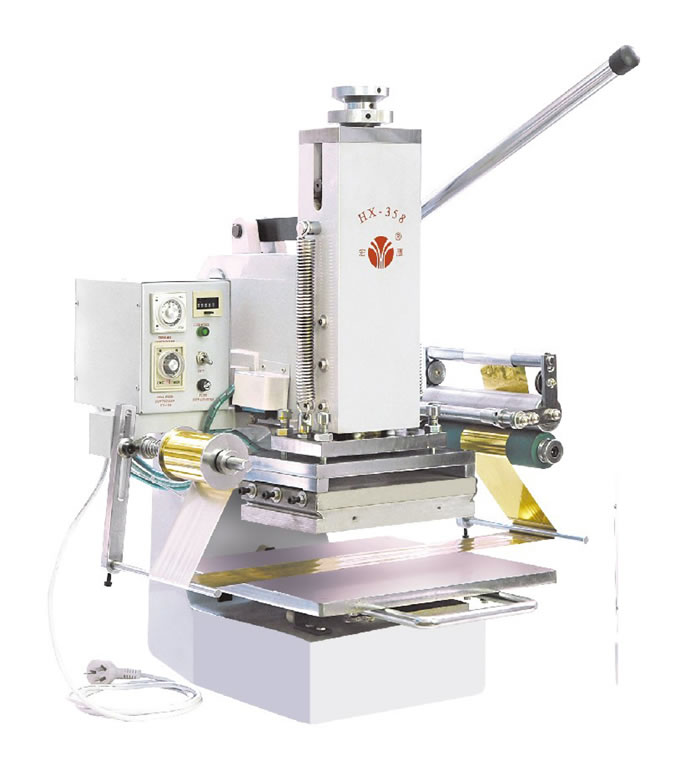
Also known as hot foil stamping, this process involves transferring a thin metallic or pigmented film onto a surface using heat and pressure. Common foil colours include gold, silver, rose gold, and holographic tones.
How it works: A custom metal die is heated and pressed onto the foil against the surface material. The heat activates the adhesive layer of the foil, bonding the metallic layer to the surface in the shape of the die.
• Effect: Creates a shiny, reflective detail that stands out visually and adds a luxurious feel.
Embossing
Embossing is a technique used to raise a design from the surface, adding dimension and texture without additional color (though it can be combined with foil).
• How it works: Two custom-made metal dies—one raised and one recessed—are pressed onto the material, sandwiching it to create a raised impression.
• Debossing is the reverse technique, where the design is pushed into the surface instead of raised.
• Effect: Offers a tactile quality and visual depth. Often used for logos, titles, or decorative motifs.
Combination Finishing
For an even more striking result, foiling and embossing can be done together—known as foil embossing —to create a raised, metallic imprint that’s both eye-catching and luxurious.
These techniques elevate the look and feel of any product, giving it a handcrafted, high-end finish that’s hard to miss.
GUILLOTINE CUTTING
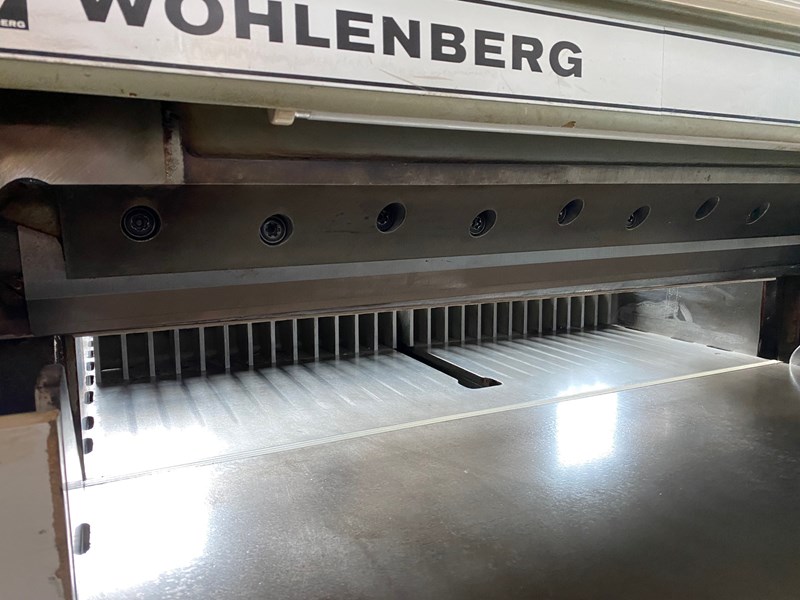
Guillotine cutting services offer precise, clean cuts for a wide range of materials, using a straight-edged blade mechanism—much like a paper trimmer, but scaled up for industrial or commercial use. These services are commonly used in printing, packaging, stationery, and leatherworking industries.
What is Guillotine Cutting?
Guillotine cutting is a process where sheets of material—such as paper, cardstock, vinyl, or leather—are trimmed with a large, sharp blade that descends vertically. The material is stacked and aligned under the blade, ensuring uniform, straight cuts across all pieces.
Applications
• Paper & Printing: Trimming large, printed sheets into final formats (flyers, brochures, business cards).
• Packaging: Cutting cardboard or label stock to specific sizes.
• Stationery & Craft: Trimming covers, inserts, and decorative sheets.
• Leather & Fabrics: Precision cutting of covers, panels, or straps before stitching or assembly.
Benefits of Guillotine Cutting Services
• Accuracy: Delivers consistent dimensions across high-volume runs.
• Efficiency: Cuts multiple sheets or layers at once, speeding up production.
• Clean Edges: Produces sharp, professional-looking finishes with minimal fraying or tearing.
Considerations
When outsourcing guillotine cutting, factors like material thickness, blade sharpness, and required tolerances play a key role in quality. Always ensure your provider maintains and calibrates their machinery regularly. If you’re producing notebooks, diaries, or custom packaging, guillotine cutting is an essential step in achieving that crisp, polished edge.
SEWING OF DIARY COVERS & INDUSTRIAL COVERING
Stitching diary covers is a beautiful fusion of craft, functionality, and design. It involves joining the outer cover of a diary—usually made of leather, faux leather, fabric, or heavy cardstock— with inner lining materials to protect the contents and enhance aesthetic appeal. Here’s a brief overview of the process and its significance:
Purpose of Stitching
Stitching serves both decorative and structural purposes. It reinforces the edges, prevents fraying, and secures layers together, all while offering a handmade, artisanal touch that elevates the diary’s overall appearance.
Common Techniques
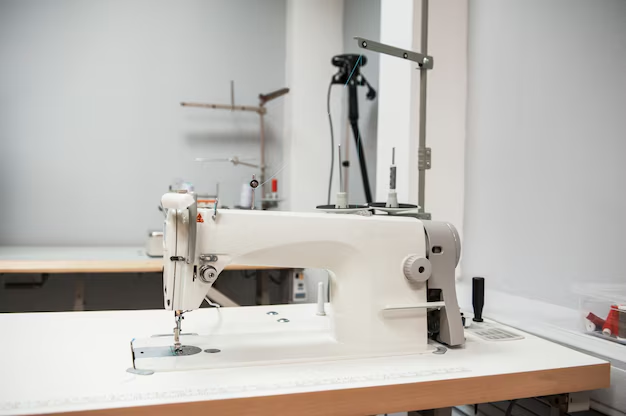
1. Machine Stitching – Fast, uniform, and efficient for mass production. Often used with thicker industrial threads.
2. Hand Stitching – More time-consuming but ideal for bespoke or luxury diary covers. Saddle stitching is a common method here, known for its durability.
➢ Decorative Embroidery – Adds flair and personalization. Patterns or initials may be stitched into the cover for a unique finish.
Materials Used
• Threads: Nylon, polyester, waxed cotton, or linen threads are popular choices for their strength and visual contrast.
• Needles: Leather needles or curved needles help manoeuvre around thick materials.
• Tools: Stitching awls, clamps, rulers, and cutting mats help maintain precision.
• Style and Design
• Stitching can be minimalist—just clean, precise lines around the borders—or ornate, with patterns and layering. Contrasting thread colours are often chosen to make the stitches pop, while subtle tones blend in for a refined look.
• Whether you’re crafting one yourself or sourcing a custom-made diary, paying attention to how the cover is stitched can make all the difference between ordinary and exceptional.
Service Enquiry Form